
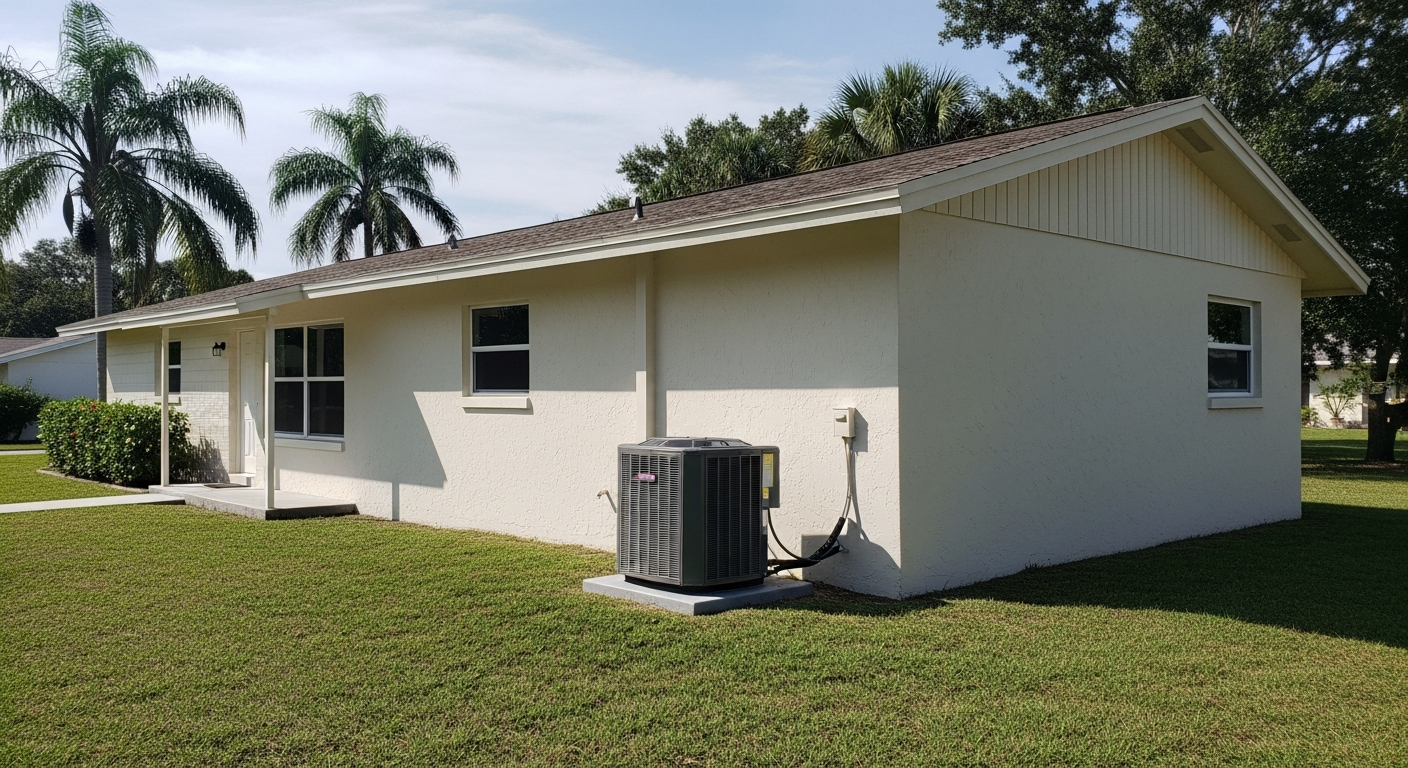
AC & Heating Installation, Sized Right the First Time
Multiple trusted brands, honest guidance, and installation done the way it should be
Expert Installation, Sized for Your Home
Vickers Heating & Air installs new heating and cooling systems throughout North Central Florida. Before we recommend any equipment, we evaluate the home so the system matches your actual needs and your budget. With multiple trusted brands to choose from, the goal is to install the right system for your home, not just the easiest one to sell.
Even the most efficient HVAC equipment underperforms if it isn't sized and installed correctly. We take the time to do it right so you get proper airflow, comfort, and longevity from your new system.
- Multiple brand options to fit your budget
- Proper load calculations for correct sizing
- Meticulous installation standards
- Complete system testing and walkthrough
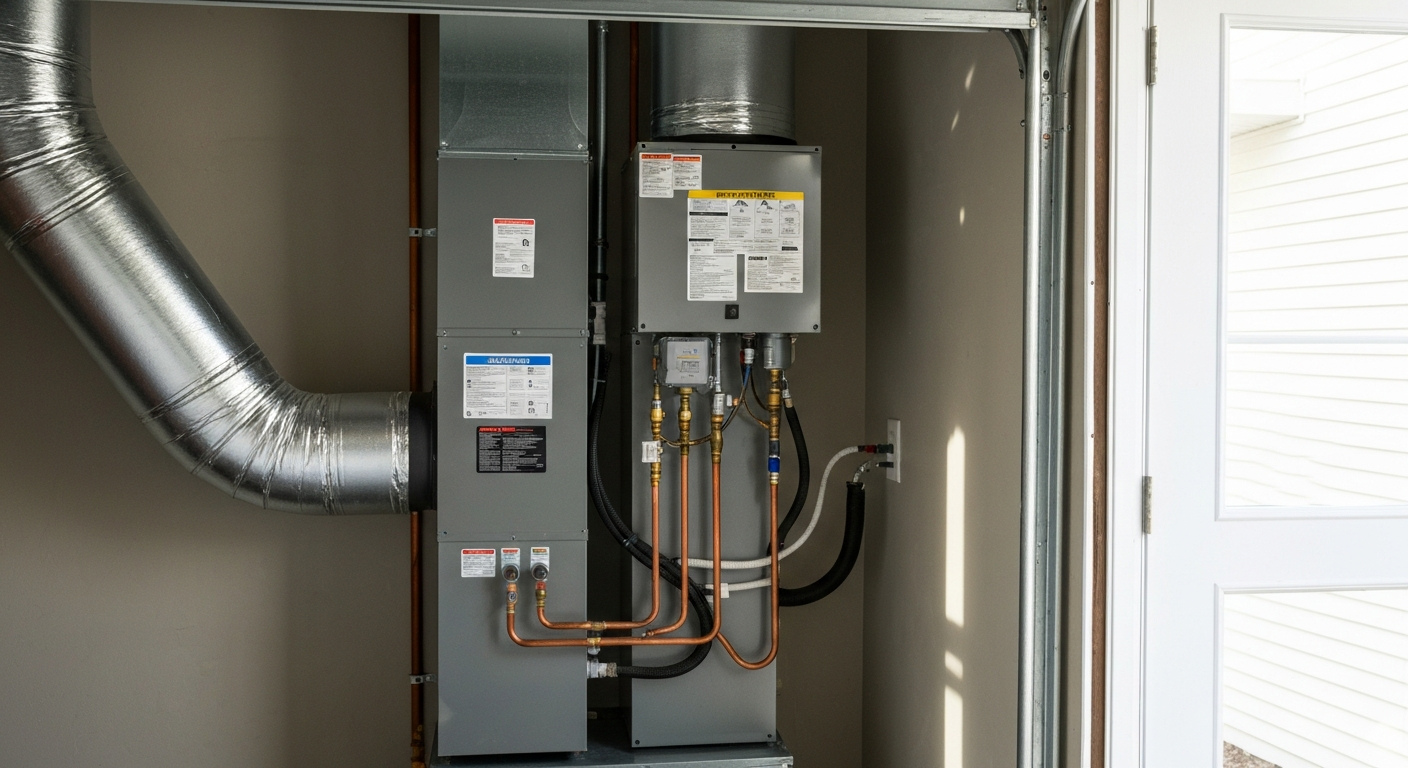
Why Proper HVAC Sizing Matters
Bigger is not automatically better. An oversized system cools the home quickly but shuts off before it runs long enough to remove humidity, leaving the air feeling clammy and the system cycling on and off. An undersized system runs constantly trying to keep up during extreme conditions and may never reach the set temperature.
Proper sizing is about matching equipment capacity to your home's actual heat load, which depends on square footage, insulation, layout, windows, airflow, and humidity. We size to the home, not to a guess, so the system runs the right length of time to keep you comfortable.
Home Assessment & Load Calculations
Before selecting equipment, we look at the whole home. That includes home size, insulation, layout, existing ductwork, airflow, existing equipment, electrical requirements, and any comfort concerns you've noticed. Proper load calculations are preferable to simply replacing an old unit with another of the same size, because your home's needs may have changed since the original system was installed.
The result is a system sized to how your home actually performs, not a copy of whatever was there before.
When Should a Homeowner Replace an HVAC System?
Age alone doesn't decide it. The condition and economics of your individual system matter most. Replacement may make sense when you notice:
Repair vs. Replacement
There's no universal formula. The right call depends on your system's condition and the economics of the situation.
Repair may make sense when
- The system is otherwise in good condition
- The problem is relatively isolated
- Repair cost is reasonable
- The system has useful remaining life
Replacement may make sense when
- Major components have failed
- Repairs are becoming frequent
- The system is near the end of its practical service life
- Efficiency or comfort has deteriorated
- Repair costs are becoming hard to justify
When a repair is the better path, we'll tell you. For the repair side of this decision, see our AC & heating repair page.
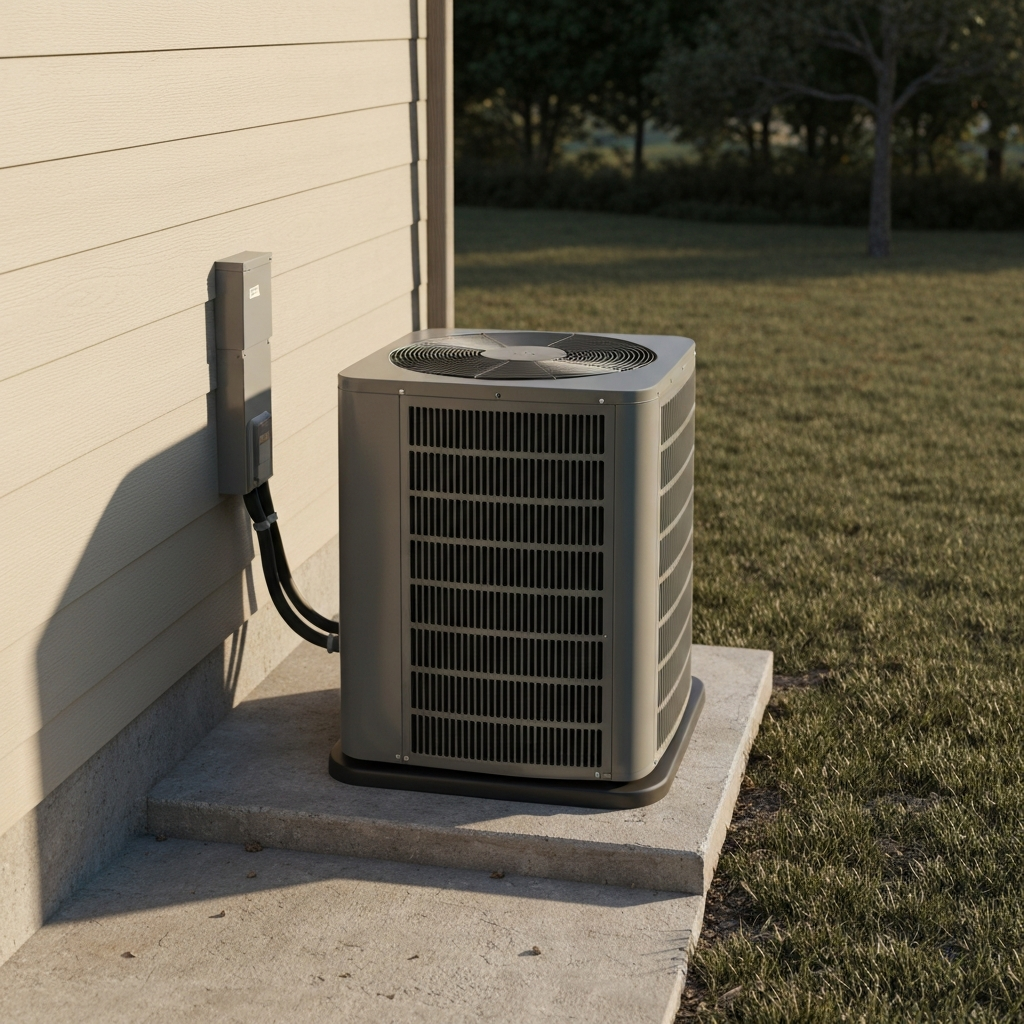
Choosing the Right Equipment
Equipment selection depends on home size, cooling and heating requirements, budget, efficiency goals, available space, existing ductwork, electrical requirements, desired comfort, and long-term operating considerations. We don't promote one brand as universally superior. The equipment should fit the home and the homeowner, not simply whatever brand is easiest to sell.
We work with multiple trusted manufacturers and select based on your home's requirements. For more on the equipment we work with, see the HVAC brands we install and service.
SEER2 & Energy Efficiency
SEER2 is a measure of cooling efficiency. Higher SEER2 ratings generally mean better efficiency and lower operating costs, but higher-efficiency equipment also costs more upfront. The highest rating isn't automatically the best choice for every homeowner. The right efficiency level depends on your system size, usage, home characteristics, and budget.
We walk you through the tradeoff so you're not overpaying for efficiency you won't use, or underbuying and regretting it later. We won't promise a specific dollar amount in annual savings, because real savings depend on how you use the system.
Florida Humidity & Comfort
In Florida, HVAC systems do more than lower temperature. They also help manage indoor humidity, which has a big impact on how comfortable a home feels. Proper sizing, appropriate equipment, sufficient run time, airflow, and ductwork condition all affect how well the system controls humidity.
An oversized system that short-cycles won't run long enough to pull moisture out of the air, which is one reason we focus on sizing the system to your home rather than simply going bigger.
Refrigerants & New Equipment
Newer residential systems use newer A2L refrigerants such as R-454B and R-32, while existing systems may use R-410A, and older systems may still use R-22. Refrigerant type is one consideration when evaluating replacement, since it can affect service and parts availability for older equipment.
We install and service both current A2L systems and R-410A equipment. We won't make unsupported predictions about future refrigerant availability, but we'll help you understand how it factors into your decision.
Ductwork & Installation
A new HVAC system doesn't operate independently of your home's ductwork. Duct condition, airflow, leaks, restrictions, transitions, and return-air considerations all affect how well the new equipment performs. Existing ductwork may sometimes be suitable for a new system, but it may require modification depending on its condition and the new equipment.
We don't automatically recommend duct replacement. For manufactured homes, which have their own ductwork considerations, see our mobile home HVAC & ductwork page.
Mobile & Manufactured Homes
We install systems in mobile and manufactured homes, which can have different ductwork configurations, sizing requirements, and installation considerations than standard site-built homes. For the specialized details on that work, visit our mobile home HVAC & ductwork page.
What to Expect During Installation
1. Evaluate the home
We assess size, layout, insulation, existing equipment, ductwork, and other relevant factors.
2. Determine appropriate system size
We use proper load calculations rather than simply matching the old equipment.
3. Review equipment options
We explain available systems, efficiency levels, brands, and price considerations.
4. Provide the estimate
We give you clear pricing before any work begins.
5. Install and connect the system
We install the equipment according to applicable requirements and manufacturer specifications.
6. Test and verify operation
We confirm proper operation and walk you through the new system.
Installation Cost
Actual installation cost depends on home size, required system capacity, SEER2 efficiency, equipment brand, ductwork modifications, electrical requirements, installation complexity, existing equipment, and site conditions. Because every home is different, an in-home assessment is needed for an exact quote.
To explore the cost factors in more detail, try our AC installation cost calculator. We give you clear, itemized pricing before any work begins.
Financing
Financing options are available for qualifying new equipment installations. A new HVAC system is a significant investment, and flexible financing can help you get the efficient comfort you need without paying it all upfront. For more, see our HVAC financing options.
Permits & Code Requirements
For installations we perform, we handle the applicable permitting process. Permitting requirements can vary depending on the project and location, but we take care of the process for the work we do so you don't have to navigate it yourself.
Old Equipment Removal
We remove and properly dispose of your old equipment as part of the installation, so you don't have to arrange separate removal. Your home is left clean before we finish.
Warranty
New equipment typically comes with manufacturer warranty coverage, and we'll walk you through in general terms what that includes before installation. We also stand behind our own installation work. We don't control the manufacturer's specific terms, durations, or registration requirements, so we'll help you understand what applies to your equipment and make sure our own workmanship is done right.
Frequently Asked Questions
How do I know if I need a new HVAC system or just another repair?
It depends on your system's age, how often it breaks down, its overall condition, efficiency, the cost of the repair, and its expected remaining service life. A single isolated failure on an otherwise reliable system often points toward repair, while repeated breakdowns or a major component failure can tip the balance toward replacement. We weigh those factors for your specific equipment rather than applying a one-size rule, and if a repair makes more sense we'll say so. See our AC & heating repair page for the repair side of that decision.
How do you determine what size HVAC system my home needs?
We use proper load calculations instead of simply replacing your old unit with the same size. Sizing accounts for square footage, insulation, layout, windows, existing ductwork, airflow, electrical requirements, and humidity. An oversized system cools too quickly to remove humidity, while an undersized one struggles during extreme conditions. Matching capacity to your home's actual heat load is what keeps the system comfortable and efficient, so we evaluate the home before recommending equipment.
How much does a new AC or HVAC system cost?
Cost depends on home size, required system capacity, SEER2 efficiency, equipment brand, ductwork modifications, electrical requirements, installation complexity, and site conditions. Because every home is different, an in-home assessment is needed for an exact quote. We give you clear, itemized pricing before any work begins. To explore cost factors in more detail, try our AC installation cost calculator.
What HVAC brands do you install?
We work with multiple trusted manufacturers and select equipment based on your home's requirements, budget, efficiency goals, and long-term operating considerations rather than pushing one brand. The right system is the one that fits your home and your situation, not simply whatever is easiest to sell. You can learn more on our HVAC brands page.
How long does a typical HVAC installation take?
Many standard residential replacements can be completed in a single day. Installations that involve ductwork changes, electrical upgrades, mobile-home considerations, or more complex site conditions may take longer. We'll give you a realistic timeline based on the scope of your specific project rather than a blanket promise, and we arrive on time and leave your home clean.
Should I install a smart thermostat with my new system?
A new installation is a logical time to evaluate thermostat compatibility and upgrade options, since the new equipment and thermostat need to work together. Not every home needs a smart thermostat, but if you want remote control, scheduling, or monitoring, it's easier to set it up during the install. We can check compatibility and handle smart thermostat installation as part of the job.
Do you handle permits and remove my old equipment?
Yes. For installations we perform, we handle the applicable permitting process and remove and properly dispose of your old equipment as part of the job, so you don't have to arrange separate removal or navigate the permit yourself. Permitting requirements can vary by project and location, but we take care of the process for the work we do.
What kind of warranty comes with a new HVAC system?
New equipment typically comes with manufacturer warranty coverage, and we'll walk you through in general terms what that includes before installation. We also stand behind our own installation work. We don't control the manufacturer's specific terms, durations, or registration requirements, so we'll help you understand what applies to your equipment and make sure our own workmanship is done right.
AC & Heating Installation Across North Central Florida
Ready for an Upgrade?
Get a free estimate on a new, energy-efficient HVAC system. Contact us today to discuss your options and learn about our financing.